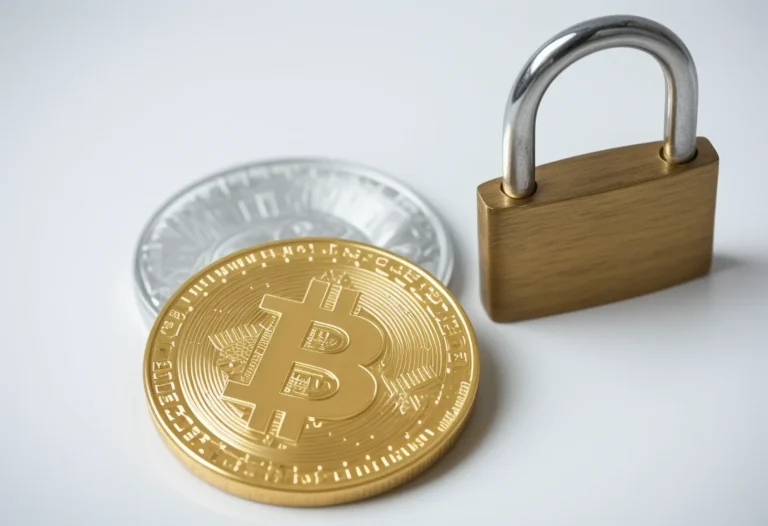
Bitcoin’s role in the economy is more crucial than ever, influencing market dynamics and investment strategies. As we navigate the complexities of the global economy, understanding Bitcoin’s impact is essential for investors and stakeholders alike.
The Significance of Bitcoin’s Role in Economy
Bitcoin is transforming economic frameworks across the globe. Its decentralized nature allows it to serve as a financial instrument that operates independently of traditional financial systems. This transformative aspect has significant implications for economic stability and financial inclusivity. Moreover, Bitcoin’s ability to act as a hedge against inflation is increasingly recognized, as it stands in stark contrast to depreciating fiat currencies. Industry experts note that in times of economic uncertainty, Bitcoin often becomes a safe haven for investors, reinforcing its significance in modern markets.
With Bitcoin gaining traction as both a speculative asset and a form of digital gold, its appeal in global markets continues to expand. While many view Bitcoin through the lens of volatility and risk, its potential to disrupt conventional financial paradigms is undeniable. Countries are beginning to explore regulatory frameworks that accommodate Bitcoin, demonstrating an acknowledgment of its evolving role in the economy (according to recent reports).
Current Trends in Cryptocurrency Adoption
The rise of digital currencies is shaping global economic trends. As Bitcoin and other cryptocurrencies gain wider acceptance, shifts in investor behavior become evident. Many investors are diversifying their portfolios by including cryptocurrencies, a move often driven by the desire for higher returns and protection from inflation.
Additionally, regulatory changes are playing a crucial role in cryptocurrency adoption. Governments worldwide are implementing regulations that provide clearer frameworks for digital currencies, which in turn fosters confidence among investors. The proactive stance of regulators often influences the pace of cryptocurrency adoption; countries that embrace cryptocurrency are frequently viewed as innovators in financial technology.
As these dynamics continue to evolve, investors should remain aware of market trends and adapt their strategies accordingly. Understanding these trends is essential for maximizing the potential of their investments.
The Influence of Coinbase CEO’s Perspectives
Leadership within crypto exchanges significantly shapes market views. The Coinbase CEO, known for his insightful perspectives, has repeatedly asserted the increasing legitimacy of Bitcoin as a financial asset. His statements often resonate with both institutional and retail investors, reflecting a wider inclination towards accepting Bitcoin as a form of sound money.
When the CEO discussed Bitcoin’s potential future, he emphasized that Bitcoin could serve as a quiet reserve asset for traditional banks, suggesting that it can complement existing financial systems rather than replace them (as cited in Barron’s). This view underscores a critical shift in the perception of Bitcoin, positioning it as a stable counterpart to traditional assets rather than merely a speculative investment.
Bitcoin and the USD: A Competitive Relationship
The relationship between Bitcoin and the United States dollar (USD) is complex. Bitcoin positions itself as a viable alternative to fiat currencies, challenging the conventional dominance of the USD in international trade. This competition raises questions about the long-term status of the USD as a reserve currency.
In recent years, Bitcoin has gained popularity among those seeking to diversify their financial strategies. Its decentralized nature and limited supply render it appealing in an inflationary environment. As countries adopt Bitcoin for trade, the USD might face challenges in maintaining its longstanding reserve status. This shift could have profound implications for global trade dynamics and economic policies.

Insights on Bitcoin’s Reserve Status
As discussions about Bitcoin’s potential as a reserve asset grow, so do concerns about its volatility. While some suggest Bitcoin could assume the role reserved for traditional reserve currencies, others caution against its current market fluctuations. Nevertheless, exploring Bitcoin’s potential in this capacity is essential as it would reshape global finance.
Alternative cryptocurrencies are also vying for reserve status, with some claiming to offer greater stability than Bitcoin. However, Bitcoin’s first-mover advantage and broad acceptance in various industries provide a competitive edge rarely paralleled by others in the market. Thus, the future of reserve currencies may include a diverse basket that comprises both Bitcoin and select altcoins.
Actionable Steps for Investors in Bitcoin
Investors looking to integrate Bitcoin into their portfolios should adopt strategic approaches to mitigate risk and enhance returns. Here are some action steps:
– Diversification: Consider balancing Bitcoin investments with traditional assets to reduce risks while maintaining potential growth from cryptocurrency.
– Stay Informed: Keep an eye on regulatory changes impacting cryptocurrency markets. Understanding the legal landscape is crucial for navigating future developments.
– Education: Utilize various educational resources, from online courses to market analysis reports, to enhance decision-making.
Incorporating Bitcoin strategically into investment portfolios requires careful consideration of the risks involved. By staying informed and educated, investors can position themselves to adapt to the ever-evolving landscape of the cryptocurrency market.
About The Author