
As the API economy rapidly evolves, understanding how blockchain APIs facilitate digital transformation is crucial. They offer unprecedented capabilities for businesses to streamline processes and innovate with tokenized transactions. Now is the time to explore their impact and opportunities.
Significance of the API Economy in Today’s Business Context
In the modern business landscape, the API economy is reshaping industries as companies increasingly rely on connections and integrations for growth. APIs enable seamless communication between disparate systems and services, allowing businesses to enhance their offerings and improve customer experiences. This interconnectedness fosters collaboration and innovation, ultimately transforming organizational processes.
The integration of blockchain technology into business models stands out as a significant trend. Companies are leveraging blockchain APIs to benefit from distributed ledgers and smart contracts. By embedding blockchain capabilities into existing systems, organizations can not only enhance security but also ensure greater transparency. As noted in a recent article, this integration promotes efficiency while driving innovation, enabling organizations to remain competitive.
Current Developments in Blockchain APIs
Blockchain APIs continue to evolve, offering exciting advancements for developers and businesses alike. Recently, platforms such as Ethereum and Hyperledger have made strides in simplifying the experience of integrating blockchain capabilities into applications. With emerging technologies such as decentralized finance (DeFi) and non-fungible tokens (NFTs), businesses are finding innovative ways to harness the power of blockchain.
Industry leaders like IBM and Microsoft are actively investing in blockchain solutions, providing comprehensive APIs that allow businesses to deploy decentralized applications (dApps) swiftly. For example, case studies highlight companies successfully implementing blockchain APIs to optimize supply chain management, ensuring traceability and reducing discrepancies. These successful implementations pave the way for even broader adoption across various sectors.
The Role of Tokenized Transactions in Digital Transformation
Tokenized transactions are reshaping the way businesses operate, providing robust solutions for enhancing security and efficiency. By converting assets or rights into digital tokens, companies can facilitate secure transactions while minimizing fraud risks. This method significantly streamlines processes, as tokenized assets can be exchanged seamlessly on blockchain platforms.
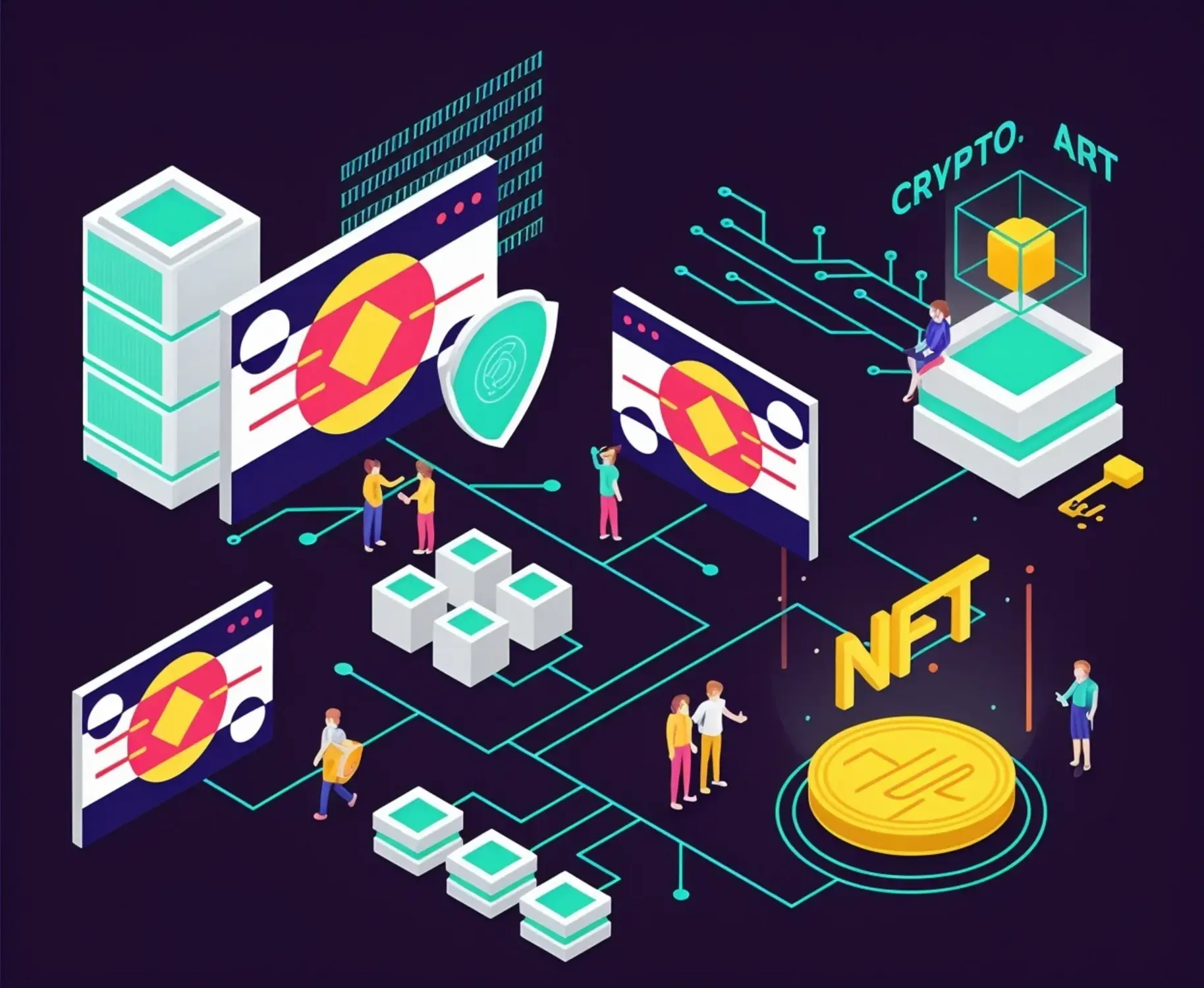
The significance of tokenization cannot be understated. It enhances liquidity for traditionally illiquid assets and enables fractional ownership, democratizing access to investments. Real-world applications abound, from real estate to art, where tokenization has been employed to trade assets more easily. As businesses explore these applications, they increasingly realize the transformative potential of tokenized transactions in driving digital transformation.
Challenges in Integrating Blockchain APIs
Despite the numerous advantages, integrating blockchain APIs is not without challenges. Organizations frequently encounter obstacles during adoption, such as the complexity of existing infrastructure. Furthermore, regulatory concerns can hinder implementation, as many industries face bureaucratic scrutiny regarding blockchain technology and cryptocurrency transactions.
Security issues pose another significant challenge amid the digital landscape’s evolving nature. Businesses must ensure that their blockchain solutions are robust and protected against potential threats. Additionally, technical challenges remain, as organizations grapple with integrating blockchain APIs into legacy systems while maintaining operational efficiency.
Best Practices for Leveraging Blockchain APIs
To successfully harness the power of blockchain APIs, organizations should adopt best practices that ensure effective integration and deployment. First, selecting the right blockchain API is paramount. Factors to consider include ease of use, scalability, and the compatibility of existing systems. Building a strong understanding of these elements can make the integration process smoother.
Next, utilizing established tools and frameworks can greatly assist in implementing blockchain solutions. Developers can leverage open-source libraries and platforms to accelerate the development process. Additionally, forming strategic partnerships with blockchain service providers can enhance overall capabilities and access to cutting-edge technologies, ultimately fostering innovation in the long run.
Future Possibilities: Evolving Trends and Innovations
As the API economy and blockchain technologies advance, the future of blockchain APIs looks promising. Companies are likely to reconsider their digital transformation strategies, exploring innovative applications of blockchain solutions in industries such as finance, healthcare, and logistics. As organizations increasingly adopt APIs for complex tasks, the trend toward hyperautomation may gain significant traction, reshaping operational paradigms.
New innovations on the horizon include enhanced interoperability between different blockchain networks and cross-chain capabilities that allow for even greater flexibility. The potential impact of these innovations could reshape industries and create new opportunities that were previously unimaginable. As businesses prepare for these changes, embracing the transformative power of blockchain APIs will become essential in navigating the future landscape of the API economy.
About The Author